Feb 27, 2025
Is my data hallucinating?
A practical note on data integrity failures in autonomous pipelines and why seemingly small preprocessing mistakes can cascade into unsafe behavior.
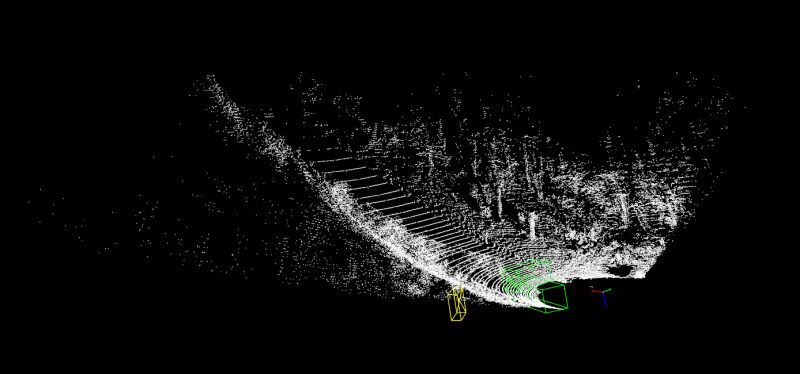
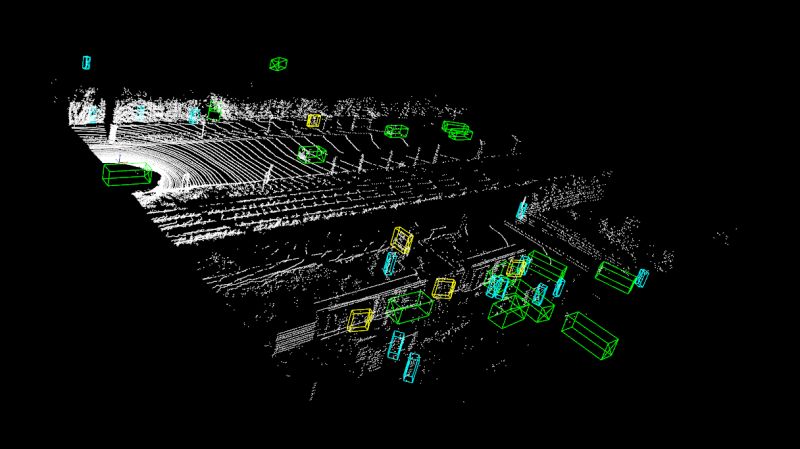
Is my data hallucinating?
The second image looks alright - a nice and normal road. But what in the world is going on in the first image?
Unless my car is going up the Himalayas, that doesn't seem right!
In the realm of data pre-processing, the foundation of Data Integrity is paramount. The two visualizations presented offer a stark juxtaposition: one marred by distorted elements, emphasizing the critical role of a seamless data pipeline. These images serve as a poignant reminder of the challenges pervasive in Machine Learning systems, underscoring the significance of upholding data integrity during conversion and preprocessing.
Even the minutest inaccuracies, such as misinterpretation of calibration parameters or mishandling multi-channel data, which you thought you fixed, can precipitate outcomes akin to the flawed initial image. RCA is like realising your fix just taught the system to lie better. These scenarios seem familiar from my experience of a Site Reliability Engineer (SRE), where it was crucial to identify seemingly inconsequential glitches in system pipelines that could snowball into significant failures.
For autonomous vehicles, the stakes are even higher-data integrity transcends a mere concept to become a safety imperative. Each phase of the pipeline, spanning from decompression to 3D reconstruction, must exude reliability. The repercussions of compromised data integrity are palpable: distorted ground planes impede path planning, misaligned objects compromise obstacle detection accuracy, and errors reverberate throughout the system, influencing subsequent decisions.
In a realm mirroring the meticulous nature of reliability practices, the processing of LiDAR data demands unwavering attention to detail.
Have you navigated the complexities of safeguarding data integrity within intricate systems? How do you tackle anomalies that defy expectations? Your insights are invaluable-share your perspectives below!
(Images sourced from an authentic real-world dataset experiment by yours truly.)